

 Bahasa Indonesia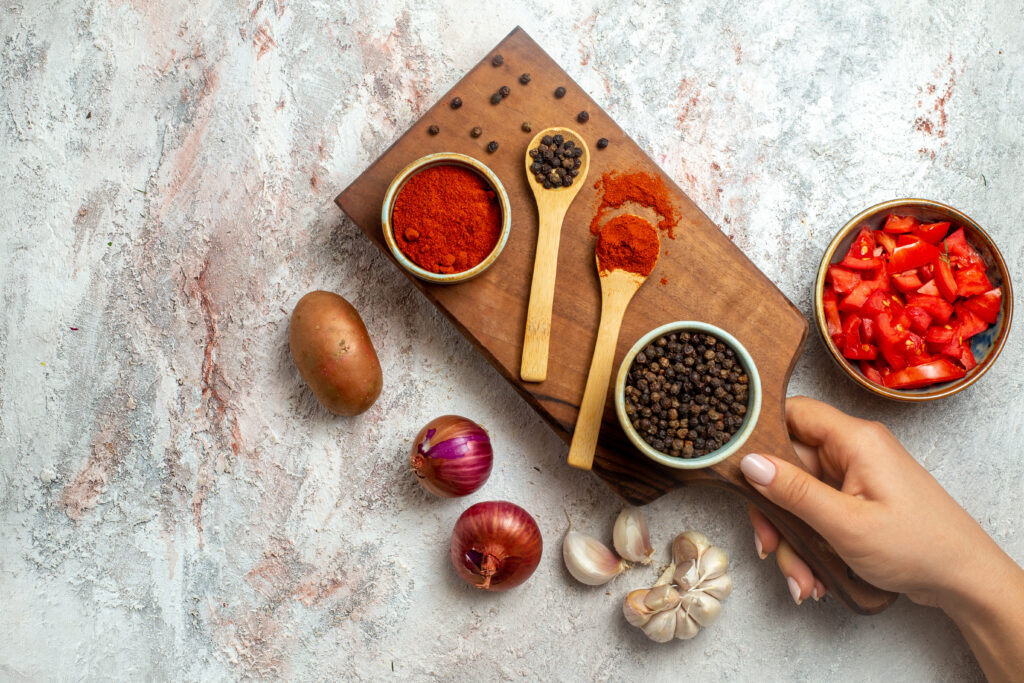
When it comes to cooking, spices are like the soul of a dish. The ingredients may be the same, but if the spice blend is different, the final taste will definitely change. Indonesia itself is rich in spices, which is why our kitchen spice options are so diverse.
To better understand their roles, let’s go through them one by one.
1. Allium Family
Shallots and garlic are almost always the starting point of any dish. Once sautéed, their aroma immediately fills the kitchen. Shallots provide a distinct savory flavor, while garlic adds a stronger, deeper taste. There is also onion, which is larger in size with a slightly sweet flavor and a milder aroma. It is commonly used in stir-fries, soups, and even salads. Shallots and garlic are also often fried and used as toppings for dishes like soto, fried rice, or chicken porridge.
2. Chili Peppers
For those who love spicy food, chili peppers are a must. There are many varieties, from bird’s eye chili with its intense heat to curly red chili with a milder kick. Chilies can be blended into spice pastes or sambal, or simply sliced for stir-fries. Besides being used fresh, they are also available in dried form. You can easily adjust the heat level according to your family’s preference.
3. Root Spices
Ginger, galangal, turmeric, and aromatic ginger belong to this group. Ginger adds warmth and a slightly spicy taste, making it suitable for coconut-based dishes and traditional drinks. Galangal has a sharper and fresher aroma, often used in sour vegetable soup or stir-fries. Turmeric not only gives a natural yellow color but also helps reduce the fishy smell of meat and seafood. Meanwhile, aromatic ginger is commonly used in traditional dishes and herbal drinks.
4. Aromatic Leaves
Bay leaves and kaffir lime leaves are often added to soups or coconut-based dishes. Bay leaves provide a subtle, distinctive aroma in dishes like vegetable stew and chicken cooked in coconut milk. Kaffir lime leaves offer a stronger, fresher fragrance and are typically used in sambal or stir-fried dishes. They are usually torn or thinly sliced before being added to release their aroma.
5. Seeds and Dried Spices
Pepper, coriander, nutmeg, cumin, cardamom, cloves, and cinnamon fall into this category. Although small in size, their aroma is quite strong. Pepper gives a mild heat, while coriander has a softer fragrance and is often used as a base for chicken or meat dishes. Nutmeg and cloves are commonly added to soups because of their distinctive aroma. Cinnamon provides a sweet and fresh scent that also works well in beverages and desserts. These spices are usually ground or crushed to maximize their flavor.
6. Complementary Spices
Candlenut and tamarind also play important roles. Candlenut is usually roasted before being ground to add richness and help thicken sauces. Tamarind provides a refreshing sour taste, perfect for sour vegetable soup or peanut sauce. Both are often used to balance flavors so the dish does not taste flat.
Cooking is essentially about balancing flavors. Each spice has its own function. When combined in the right proportions, even a simple dish can taste special.
