

 Bahasa Indonesia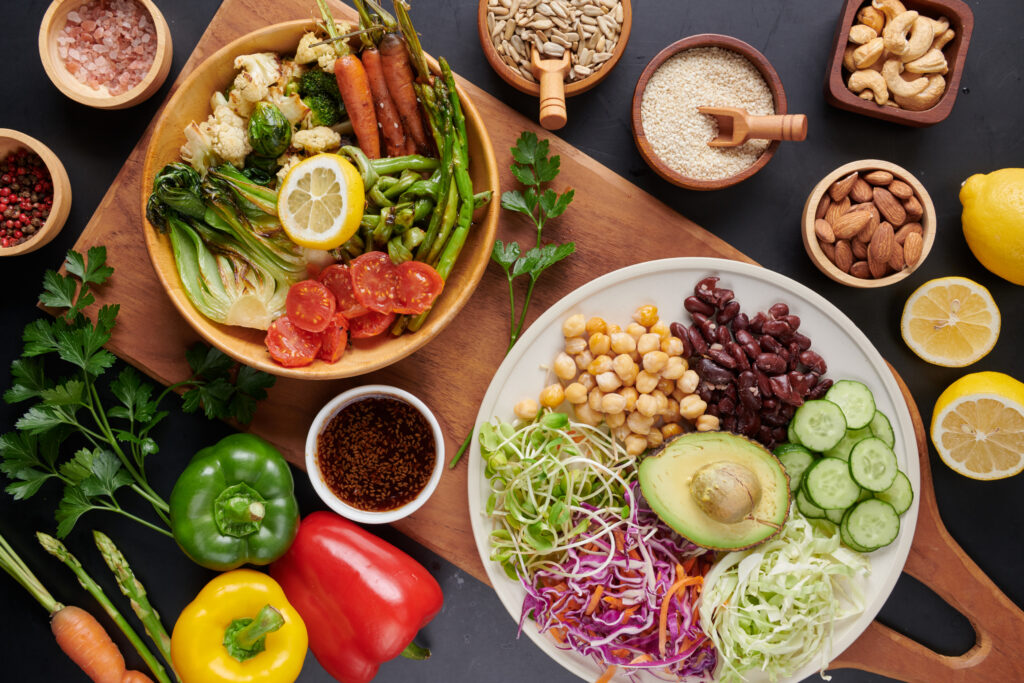
Nowadays, more people realize that eating is not just about feeling full. What truly matters is making sure the body receives balanced and adequate nutrition. Whatever we consume every day directly affects our immune system, energy levels, and long-term health.
There is no single food that can fulfill all of the body’s nutritional needs. The key is not eating more, but eating the right balance. Ideally, one plate should contain carbohydrates, protein, vegetables, and fruits. Complete, balanced, and of course, properly prepared and clean.
If you are still unsure where to start, here are several types of healthy foods that should be consumed regularly.
1. Colorful Vegetables Rich in Nutrients
Vegetables are the foundation of a healthy diet. The more colorful your plate is, the more complete the nutrients usually are.
Green vegetables such as spinach and broccoli are rich in vitamins and fiber, which are beneficial for digestion and heart health. Orange vegetables like carrots are well known for their vitamin A content, which helps maintain healthy eyesight.
To preserve their nutrients, vegetables are best steamed, lightly boiled, or quickly stir-fried. Avoid overcooking them.
2. Fruits as a Natural Source of Vitamins
If you want something sweet yet healthy, fruit is the answer. Fruits contain fiber, vitamins, antioxidants, and minerals that the body needs.
Choose fruits based on your preference and what is in season for better freshness and affordability. They can be eaten fresh, made into salads, or mixed with yogurt. Just avoid adding excessive sugar.
3. Protein from Fish and Seafood
Fish is an excellent source of protein. In addition, certain types of fish such as salmon, tuna, and sardines contain omega-3 fatty acids that support heart and brain health.
Consuming fish regularly also helps strengthen the immune system and supports children’s growth. It can be grilled, steamed, or made into soup for a healthier preparation method.
4. Meat and Eggs to Support Daily Energy
Besides fish, protein can also be obtained from meat and eggs. Choose lean cuts of meat to make it healthier.
Eggs are practical and highly nutritious. They contain protein, vitamins, and minerals that help maintain muscle strength and support daily activities.
5. Nuts and Seeds That Are Often Overlooked
Even though they are small in size, their benefits are significant. Almonds, peanuts, cashews, sesame seeds, and chia seeds contain plant-based protein, fiber, and healthy fats.
They make great healthy snacks or additions to salads and oatmeal. However, portion control is still important.
6. Milk and Dairy Products for Strong Bones
Milk is widely known as a good source of calcium, which helps maintain strong bones and teeth. Besides drinking milk directly, calcium intake can also come from dairy products such as cheese and yogurt.
For those with lactose intolerance, low-lactose milk or calcium-fortified plant-based milk can be an alternative.
Why Is Eating Healthy Important?
Regularly consuming healthy food provides many benefits for both adults and children.
For adults:
- Helps maintain a stable weight
- Reduces the risk of chronic diseases such as diabetes and heart disease
- Strengthens the immune system
- Supports healthy skin, eyes, and bones
- Improves digestive function
For children:
- Supports optimal growth and development
- Helps brain development
- Strengthens the immune system
- Supports strong bones and muscles
In the end, healthy eating does not have to be expensive or complicated. The most important thing is consistency and balance. Start by filling your plate with more variety and color, reduce excessive processed foods, and always ensure food cleanliness.
Take it step by step and make it a habit. A healthy body is a long-term investment for yourself and your family.
