

 Bahasa Indonesia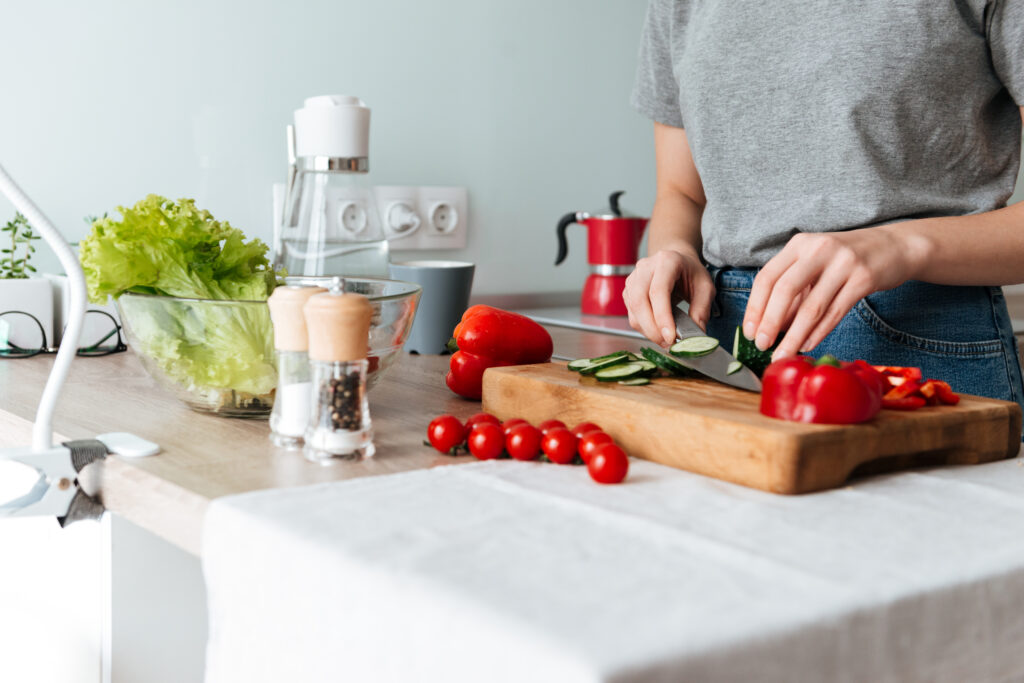
A packed daily routine often makes time in the kitchen feel limited. Still, preparing meals at home remains one of the best ways to keep daily food intake balanced and tailored to the household’s needs. The good news is, cooking quickly doesn’t have to mean cutting corners or sacrificing nutrition.
With a few smart tricks and better organization, home-cooked meals can be prepared more efficiently without spending too much time in the kitchen. Here are some simple ways to make daily cooking more practical.
1. Start with Proper Prep to Make Cooking Easier
One of the keys to faster cooking lies in preparation. When ingredients are ready in advance, the cooking process becomes much quicker. Vegetables can be washed and chopped, basic spices can be prepared, and proteins can be portioned ahead of time.
These preparations can be done during free time and stored neatly in the refrigerator. When it’s time to cook, everything is ready to go with minimal effort.
2. Ingredient Size Affects Cooking Time
Smaller or thinner cuts of ingredients cook faster. Meat, chicken, or vegetables cut into uniform sizes also help dishes cook evenly without needing extra time.
This simple step is often overlooked, even though it makes a noticeable difference in speeding up the cooking process.
3. Cook Once for Multiple Meals
Instead of starting from scratch every day, cooking slightly larger portions can be a smart solution. Dishes like stir-fries, soups, or dry side dishes can be stored and reheated when needed.
This method not only saves cooking time but also reduces the amount of dishwashing afterward.
4. Make Use of Ingredients That Are Still Good
Leftover ingredients that are still safe to use don’t have to go to waste. Extra vegetables can be added to soups, bones can be turned into broth, and leftover rice can be transformed into a different dish.
With a bit of creativity, existing ingredients can become new meals without extra shopping or long cooking times.
5. Clean as You Go
Tidying up while cooking often feels lighter than leaving everything for the end. While waiting for food to cook, used utensils can be washed or put away right away.
This keeps the kitchen organized and prevents a pile of chores after the meal is done.
6. One Tool, Multiple Functions
Some cookware can be used for more than one task at the same time, such as boiling while steaming, or sautéing and then continuing to cook other ingredients in the same pot.
This approach helps reduce both cooking time and the number of tools used.
7. Keep Essential Ingredients on Hand
To avoid confusion when quick cooking is needed, make sure basic ingredients like onions, eggs, vegetables, and proteins are always available at home. With a well-stocked kitchen, simple meals can be prepared instantly without needing to go out.
Quick cooking isn’t about rushing—it’s about smart planning. With small, consistent habits, time in the kitchen can feel lighter, more efficient, and still enjoyable.
