

 Bahasa Indonesia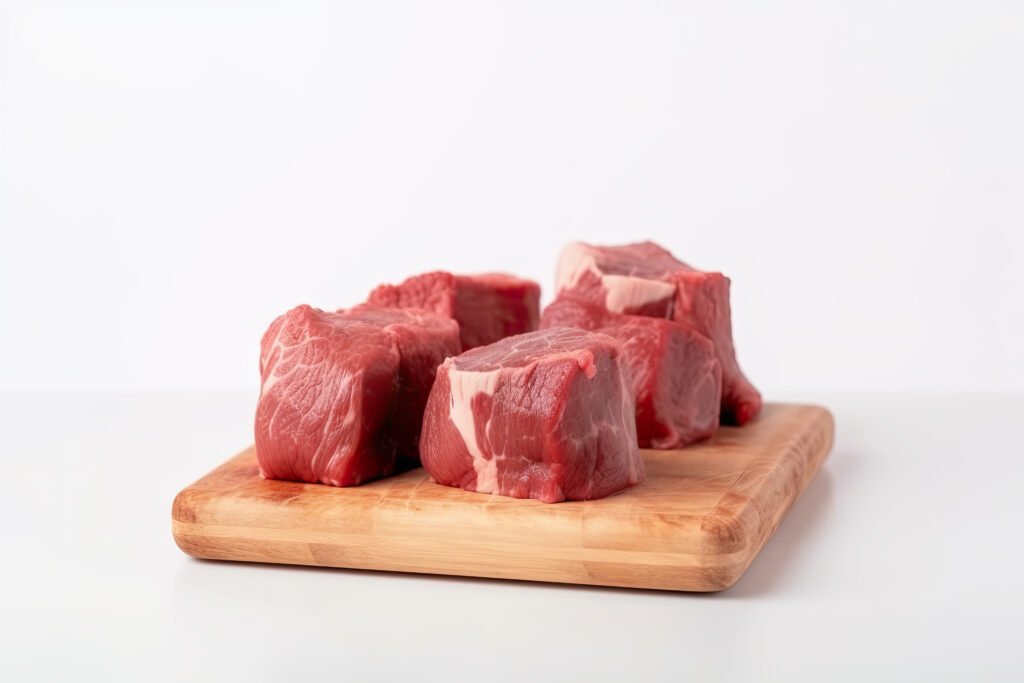
When cooking at home, we often focus on the recipe without truly understanding the ingredients we use. In fact, each type of meat has its own characteristics that affect flavor, texture, and even the best cooking method. To avoid making mistakes in the kitchen, let’s take a closer look at some interesting facts about the meats we consume most often.
1. Chicken Meat: White and Dark for a Reason
Many people wonder why chicken breast is lighter in color, while the thighs and wings look darker. The answer lies in muscle function. The breast muscles are rarely used for heavy activity, while the thighs and legs work constantly for movement. As a result, the thigh meat contains more myoglobin, a protein that gives meat a darker color.
In addition, chicken meat contains tryptophan, an amino acid that helps the body produce serotonin. No wonder eating chicken dishes often makes us feel more comfortable and relaxed. One important thing that is often overlooked: raw chicken should not be washed, as doing so can actually spread bacteria around the kitchen.
2. Beef: Tender, Nutritious, and Full of Character
Beef is well known as an excellent source of vitamin B12, which is essential for nerve health and red blood cell formation. One key indicator of high-quality beef is marbling, the fine white fat distributed between the muscle fibers. The more evenly distributed the marbling, the more tender and flavorful the meat tends to be when cooked.
The reddish liquid often seen in medium or rare steaks is not blood, but myoglobin released when the meat is heated. To develop deeper flavor, some beef undergoes a special aging process before being sold, resulting in a softer texture and richer aroma.
3. Goat Meat: Low in Fat but Often Misunderstood
Goat meat is often stigmatized as a trigger for high blood pressure. In reality, this meat naturally contains lower levels of fat and cholesterol compared to several other types of meat. Problems usually arise from the cooking method, especially when large amounts of salt, coconut milk, or oil are used.
The distinctive aroma of goat meat, often called “prengus,” is also not always the same. Feeding practices play a major role in influencing the smell. In addition, goat meat fibers tend to be denser, giving it a chewier texture and requiring proper cooking techniques to achieve tenderness.
4. Duck Meat: Poultry Classified as Red Meat
Although it comes from poultry, duck meat is classified as red meat due to its high myoglobin content. This is what gives it a darker color and a stronger flavor compared to chicken. Duck meat also contains selenium and unsaturated fats, which can be beneficial when consumed in moderation and prepared properly.
The thick layer of fat under duck skin is often seen as excessive, but in fact, its fat profile is similar to healthier fats. This is why duck fat is frequently used as a cooking fat to create richer flavors, of course when used in reasonable amounts.
Closing
Each type of meat has its own character and uniqueness. By understanding its natural properties, we can choose the most suitable cooking methods and create dishes that are not only delicious but also wiser for our family’s health. Cooking becomes more confident when we truly know what we are preparing in the kitchen.
