

 Bahasa Indonesia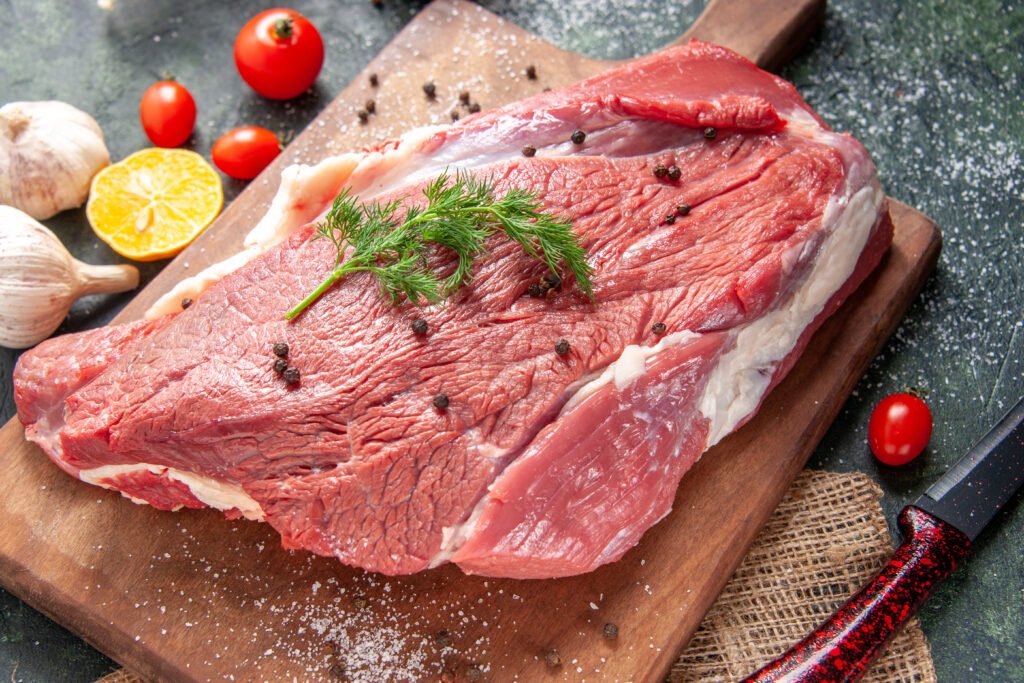
Choosing beef should not be done carelessly, especially if you want to achieve delicious and high-quality dishes. Beyond taste, the condition of the meat also affects its texture and safety for consumption. By paying attention to a few simple details, selecting beef can become much easier and more accurate.
Below are several important points to consider before purchasing beef.
1. Make Sure the Aroma Is Still Natural
One of the first steps is to check the aroma of the meat. Fresh beef has a mild, natural smell that is not overpowering. If the meat gives off a sour, overly strong, or unpleasant odor, it is best to avoid it, as this can indicate declining quality.
2. Check the Color as an Indicator of Freshness
Good-quality beef is typically bright red or slightly purplish in color. These variations are normal and often influenced by exposure to air. However, beef that appears pale, grayish, or brownish should be avoided, as it may indicate that the meat is no longer fresh.
3. Choose Meat with a Firm and Elastic Texture
High-quality beef feels firm yet elastic when touched. When pressed lightly, the meat should quickly return to its original shape. Meat that feels too soft or excessively wet may be a sign that it has been stored for too long.
4. Observe How the Seller Stores the Meat
The way the seller stores the beef also affects its quality. Beef should be kept at a cool temperature and not left exposed for extended periods. Make sure the selling area looks clean and that the meat is protected from dust and insects.
5. Decide on the Cooking Purpose in Advance
Before buying, it is important to determine what type of dish will be prepared. Certain cuts are better suited for soups and stews, while others work well for grilling or stir-frying. Matching the cut of beef to the cooking method helps achieve better texture and flavor.
6. Examine the Surface of the Meat
The surface of good beef should appear moist but not slimy. Meat that feels slippery or overly wet when touched may indicate reduced quality. A clean and fresh-looking surface suggests the meat is still suitable for cooking.
7. Prioritize Cleanliness at the Place of Purchase
The cleanliness of the place where the beef is purchased should not be overlooked. A clean and well-maintained environment usually reflects better handling practices. This cleanliness plays an important role in maintaining meat quality until it reaches the kitchen.
By paying attention to these aspects, choosing high-quality beef becomes more straightforward and reliable. Simple checks before buying can make a significant difference in ensuring dishes are both delicious and safe to enjoy.
