

 Bahasa Indonesia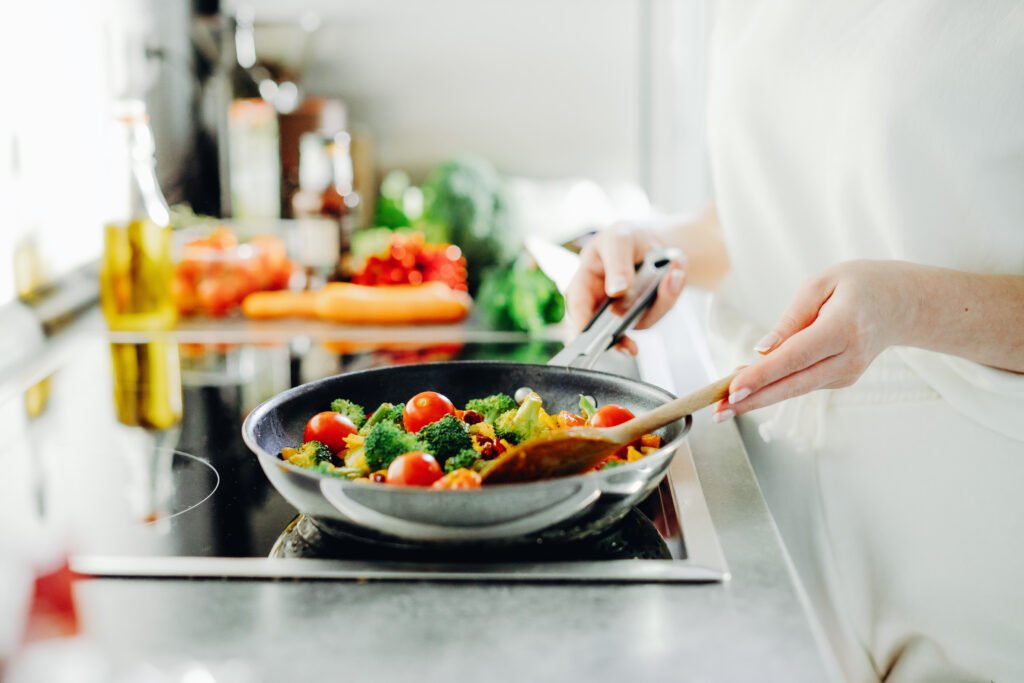
Every day, we are closely connected to cooking activities in the kitchen—from preparing breakfast, making lunch boxes for the kids, to serving dinner for the family. The cooking method you choose turns out to have a big impact on the taste, texture, and nutritional value of the food. To avoid choosing the wrong method, let’s get to know the various cooking techniques below.
1. Steaming
Steaming is often the go-to choice for those who want to serve healthier meals. This method does not use oil and relies solely on steam, helping to preserve the nutrients in food, especially vegetables.
However, steamed dishes can sometimes taste a bit bland. To make them more enjoyable, you can add a little seasoning, sauce, or butter after the food is fully cooked.
2. Stir-Frying
Stir-frying is ideal for everyday cooking when you need something quick and practical. Using a small amount of oil and a short cooking time helps vegetables retain their color and appealing texture.
That said, if stir-frying is done for too long or over high heat, some vitamins may still be lost. It’s best to cook just long enough to keep the nutrients intact.
3. Frying
Frying is a favorite technique because it makes food crispy and savory. Dishes like fried chicken, tempeh, or fish are always popular at the dining table.
Unfortunately, frying involves hot oil, which can be unhealthy if reused too often. To make it safer, use healthier oils and avoid frying food for too long.
4. Boiling
Boiling is one of the simplest and easiest cooking methods. It works well for soups, clear vegetable dishes, or preparing certain types of fish.
However, vegetables that are boiled for too long can lose many of their vitamins, as nutrients dissolve into the water. As an alternative, you can try blanching—boiling vegetables briefly—to keep them fresh and nutritious.
5. Oven Baking
Oven baking is commonly used for making cakes, bread, or pizza. The even heat helps food cook thoroughly and creates an appealing aroma.
Still, it’s important to pay attention to cooking time and temperature, as baking for too long can reduce certain vitamins in the food.
6. Grilling or Open-Flame Cooking
This method is often used for meat, chicken, or fish to achieve a richer flavor and distinctive aroma. It’s perfect for family gatherings or weekend meals.
However, because it uses high temperatures, nutrients may decrease, and food can burn if not monitored carefully. Make sure the process is done properly so the food remains safe to eat.
7. Microwave Cooking
Microwaves are not only for reheating food but can also be used to cook certain ingredients. The advantages are speed and convenience, while nutrients tend to be relatively well preserved.
That said, not all foods are suitable for microwave cooking. Always make sure the ingredients and containers used are microwave-safe.
8. Pickling Fruits and Vegetables
Pickling fruits and vegetables adds a fresh and unique flavor to meals. This type of preparation also contains certain vitamins and minerals that are beneficial for overall health.
However, since pickled foods usually contain a high amount of salt, it’s best to consume them in moderation to avoid negative health effects.
