

 Bahasa Indonesia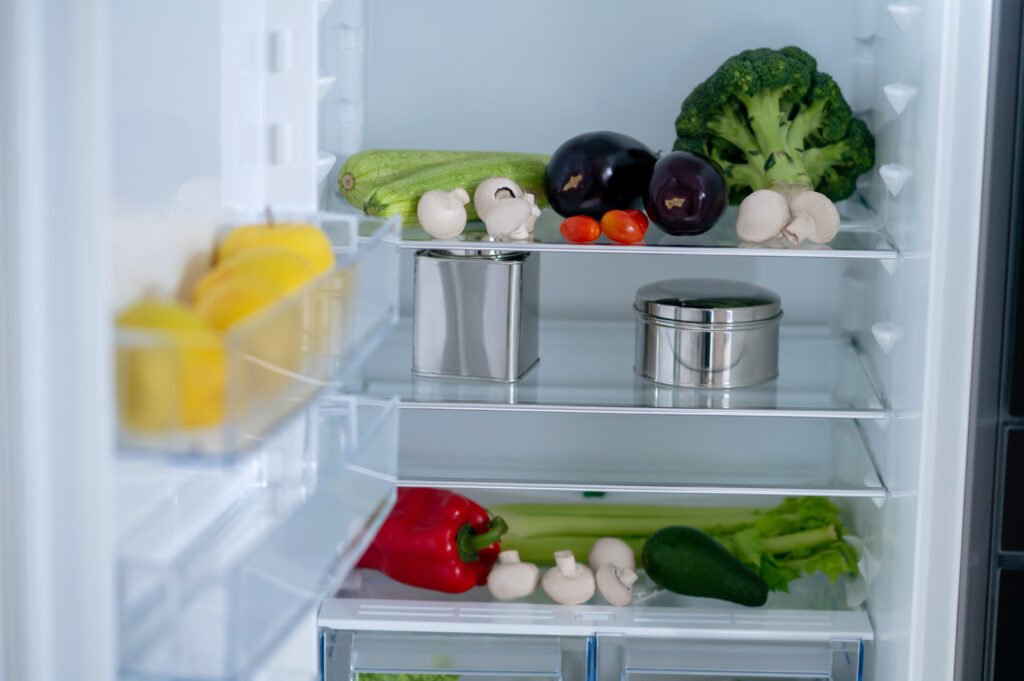
A refrigerator is not just a place to store food and close the door. To keep ingredients fresh, prevent them from spoiling quickly, and maintain proper hygiene, each section inside the refrigerator actually has its own function.
Unfortunately, many people still store food carelessly. In fact, with proper organization, a refrigerator can work much more efficiently. Let’s take a closer look at the different parts of a refrigerator and how to use them correctly.
1. Freezer Compartment
This is the coldest section of the refrigerator and is used to store food that needs to be frozen. Raw meat, chicken, fish, and various frozen foods are best kept in this area.
To keep things clean and prevent cross-contamination, it’s a good idea to separate raw meat from ready-to-cook frozen foods. Use airtight containers or proper food wrapping to prevent odors from spreading and to maintain food quality.
2. Main Cooling Compartment
Located below the freezer, the main cooling compartment has a more stable temperature and is not as cold as the freezer. This area is suitable for storing food that will be used soon.
Cooked food, dairy products, and prepared ingredients can be placed here. Make sure all food is stored in closed containers and has cooled down to room temperature before being put into the refrigerator.
3. Fruit and Vegetable Drawer
At the bottom of the cooling compartment, there is usually a drawer specifically designed for fruits and vegetables. This section has a humidity level that helps keep produce fresh for a longer time.
For better results, store fruits and vegetables separately and avoid washing them before storage. Placing tissue or paper at the bottom of the drawer can help absorb excess moisture.
4. Refrigerator Door Shelves
The shelves on the refrigerator door are frequently opened and closed, causing temperature changes. For this reason, they are not ideal for storing food that spoils easily.
Door shelves are better used for sauces, jams, bottled drinks, and other items with a longer shelf life. This helps maintain food quality despite frequent temperature fluctuations.
By understanding the function of each storage area, you can organize your refrigerator more neatly and efficiently. Proper storage not only helps keep food fresh but also makes it easier to find what you need when cooking or preparing meals.
