

 Bahasa Indonesia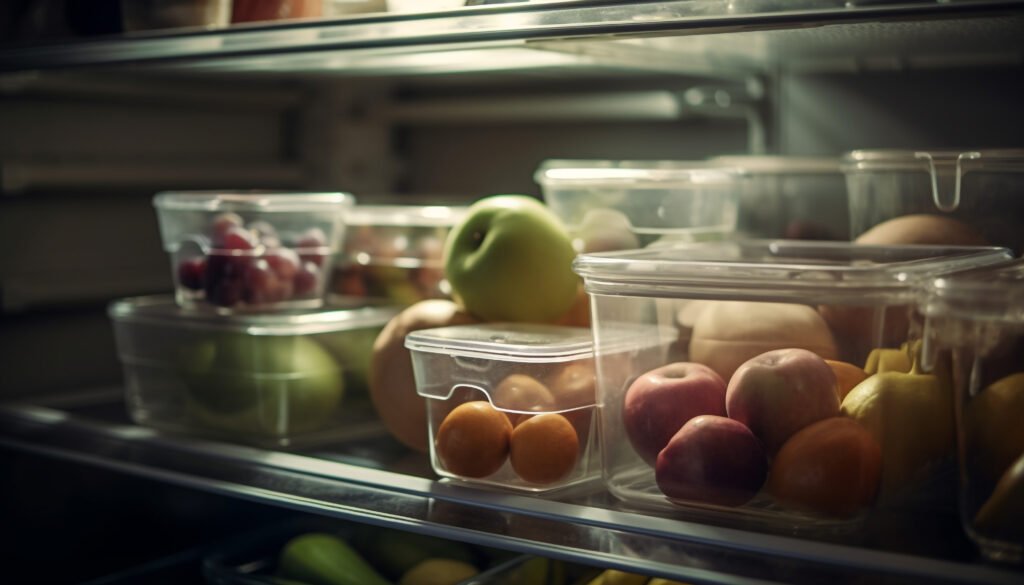
Storing fruit in the refrigerator may seem simple, but the wrong method can actually cause fruit to spoil faster. Many people are surprised to find their fruit already rotten even though it has been kept in the fridge. This usually happens because the fruit is stored improperly.
To help keep fruit fresh, flavorful, and safe to eat, here are several practical tips you can apply at home to store fruit in the refrigerator more effectively.
1. Separate Fruits Based on Their Type
Not all fruits should be stored together. Some fruits, such as apples, bananas, and pears, release ethylene gas, which can speed up the ripening process of other fruits. To prevent faster spoilage, store ethylene-producing fruits separately from more sensitive fruits.
2. Avoid Washing Fruit Before Storing
It may feel cleaner to wash fruit right away, but washing fruit before refrigeration can actually increase moisture on the surface. Excess moisture encourages bacteria and mold growth. It’s best to wash fruit only when you are ready to consume it.
3. Use the Right Refrigerator Compartment
Store fruit in the designated crisper drawer or fruit compartment of the refrigerator. Keep the temperature below 5°C to slow down the ripening process. Make sure the drawer is not overcrowded so air can circulate properly and cool the fruit evenly.
4. Keep Cut Fruit in Airtight Containers
Once fruit has been cut, it becomes more vulnerable to oxidation and bacteria. Store cut fruit in airtight containers and keep it refrigerated at a stable temperature. This helps maintain freshness, texture, and flavor for a longer time.
5. Reduce Moisture with Paper Towels
Humidity is one of the main causes of fruit spoilage. Lining containers with paper towels or wrapping fruit lightly can help absorb excess moisture. If the paper towel becomes damp, replace it with a dry one to keep the fruit in good condition.
6. Freeze Fruit for Longer Storage
If you want to store fruit for an extended period, freezing is a great option. Fruits can be frozen whole or cut, depending on the type. Keep the freezer temperature around -18°C and label containers with the freezing date so you can track storage time easily.
7. Label Storage Dates Clearly
Adding labels with purchase or storage dates helps you manage fruit consumption more efficiently. This simple habit prevents fruit from being forgotten at the back of the fridge and reduces unnecessary food waste.
8. Avoid Sealing Fruit in Fully Closed Plastic Bags
Storing fruit in airtight plastic bags without ventilation can trap moisture and accelerate spoilage. Use perforated plastic bags or containers with air holes to improve airflow and keep fruit fresh longer.
While refrigeration helps extend freshness, not all fruits belong in the fridge. Some fruits, such as unripe bananas or pineapples, are better stored at room temperature until they reach optimal ripeness. Understanding each fruit’s storage needs is the key to keeping them fresh, safe, and enjoyable for longer.
