

 Bahasa Indonesia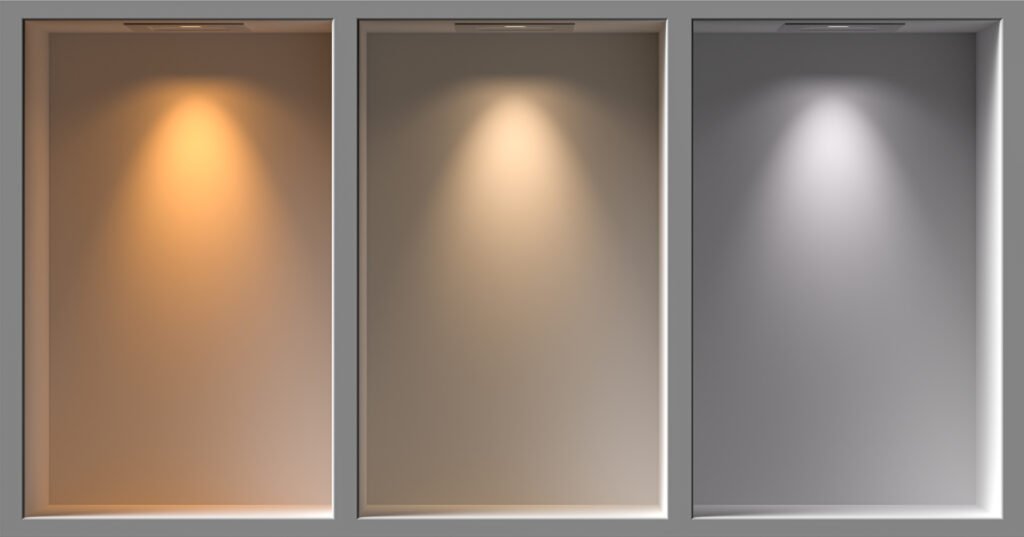
Choosing the right lighting color has a significant impact on the atmosphere and comfort of your home. Each light color has its own characteristics and can be adjusted according to the function and needs of each room.
So, what are the differences between yellow light and white light for residential use? Here is the complete explanation.
1. Yellow Light
Yellow light is commonly produced by halogen lamps, which work by heating a filament until it emits a warm yellowish glow. This type of lamp generates relatively high heat. Today, warm white LED lamps are also available, offering soft yellow lighting with much lower energy consumption.
Yellow light creates a warm and calming atmosphere. This lighting color is ideal for bedrooms or family rooms, as it helps create a comfortable and relaxing ambiance. In addition, yellow light is often used for outdoor lighting because it gives an elegant appearance.
However, halogen lamps are less efficient due to higher energy consumption and heat output. Despite this, yellow-colored LED lamps remain an energy-efficient and popular choice.
2. White Light
White light generally uses LED technology, which is more energy-efficient and has a longer lifespan. This lighting color comes in several variations, such as natural white and cool daylight, making it easy to adjust to different room requirements.
White light tends to be bright and clear, making it ideal for areas that require focus, such as kitchens, workspaces, or study areas. It also gives rooms a modern and clean look, making it suitable for minimalist home designs.
However, white light that is too bright or overly bluish can cause eye strain and potential irritation. Therefore, it is important to choose a balanced light intensity that remains comfortable for the eyes.
3. Tips for Choosing Lighting Colors at Home
- Match the light color to room activities. Use yellow light for relaxation areas and white light for workspaces or areas that require clear visibility.
- Pay attention to color temperature. Yellow light has a lower Kelvin value, while white light has a higher Kelvin range. Understanding this helps create the right mood in each space.
- Use a combination of light colors. There is no need to use only one lighting color throughout the house. Combining yellow and white lighting can create a more balanced and comfortable atmosphere.
- Prioritize eye comfort. Choose white light that is not too harsh, and if needed, use lamps with dimmer features to adjust brightness levels.
Conclusion
Yellow light provides a warm and cozy feel, while white light offers bright and clear illumination. Both have their own functions and can be combined according to room needs. By choosing the right lighting, your home will feel more comfortable while maintaining an aesthetic appearance.
