

 Bahasa Indonesia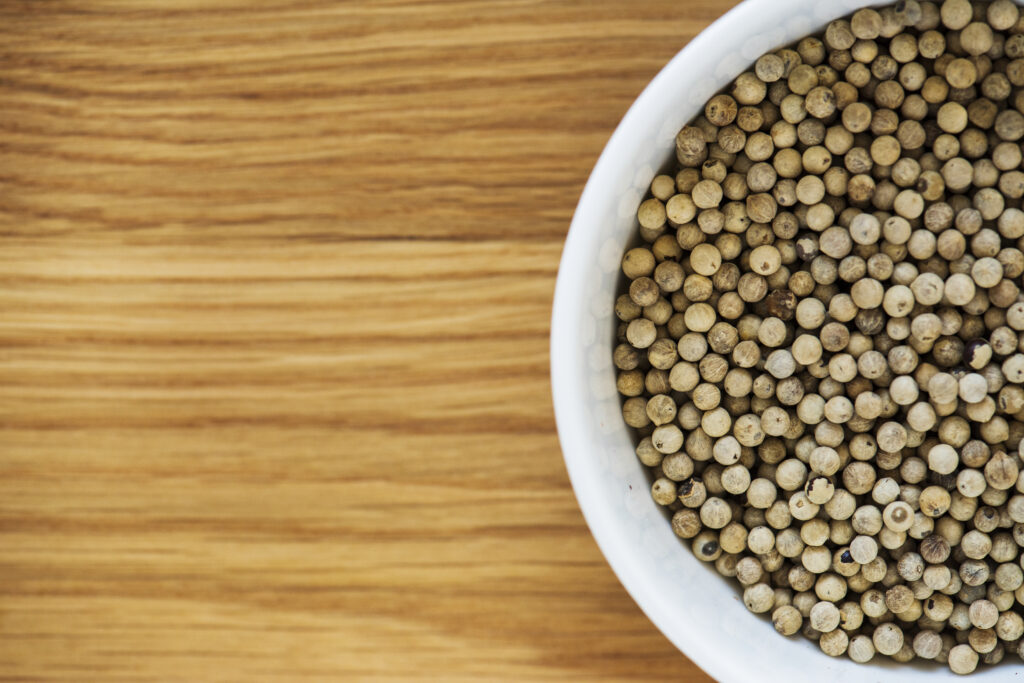
In everyday cooking, the terms pepper and white pepper are often used interchangeably. Many people assume they are two different spices. In fact, both come from the same plant, Piper nigrum.
To avoid confusion in the kitchen, it helps to understand the difference in a simple and clear way.
Pepper and White Pepper Come from the Same Plant
Generally speaking, pepper and white pepper refer to the same ingredient. The difference lies mainly in how they are named and presented.
White pepper usually refers to the whole peppercorns, whether black or white. Meanwhile, the term pepper is more commonly used for the ground or powdered form.
So they are not two completely different spices, but rather the same ingredient in different forms.
The Difference Between Black Pepper and White Pepper
Although they come from the same plant, the final result differs depending on the harvesting time and processing method.
Black pepper is harvested when the fruit is still unripe. After being picked, the berries are dried together with their outer skin until they shrink and turn black. Because the outer layer remains intact, black pepper has a stronger aroma and a sharper, more intense heat.
White pepper, on the other hand, is harvested when the fruit is fully ripe. The berries are soaked so the outer skin can be removed, then dried until they become a yellowish-white color. The flavor is milder and the aroma is less sharp compared to black pepper.
The choice between the two usually depends on the dish. For clear soups or light-colored dishes, white pepper is often preferred to maintain a cleaner appearance.
Nutritional Content and Health Benefits
Beyond adding heat and aroma, pepper contains an active compound called piperine. This compound is responsible for its spicy taste and is associated with various potential health benefits.
Pepper contains vitamin K, which plays a role in blood clotting and bone health, as well as iron that helps in the formation of red blood cells. It also provides manganese, which supports metabolism. In addition, pepper contains antioxidants that help protect the body’s cells from damage caused by free radicals.
Supports Digestion When Consumed in Moderation
In reasonable amounts, pepper can stimulate the production of stomach acid, which helps the body digest food more efficiently. This may reduce bloating and mild digestive discomfort.
Piperine is also known to enhance the absorption of certain nutrients, such as curcumin from turmeric, along with several vitamins and minerals. This allows the body to make better use of the nutrients from the foods we eat.
Should Still Be Consumed in Moderation
Despite its benefits, pepper should not be consumed excessively. Its strong heat can irritate the stomach lining if taken in large amounts, especially for individuals with a history of gastritis or acid reflux.
Additionally, because piperine enhances absorption, it may affect how certain medications work. For those who are on regular medication, it is advisable to be cautious with pepper intake.
By understanding the difference, we can use black pepper and white pepper more appropriately in our cooking while also maintaining our family’s health.
