

 Bahasa Indonesia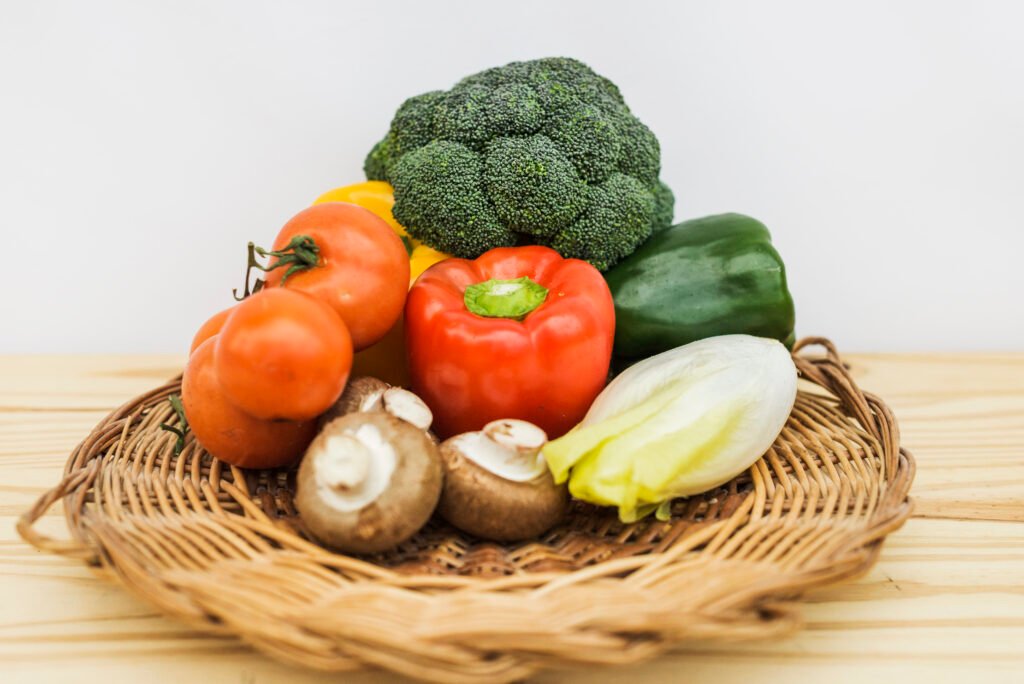
In everyday life, vegetables often appear as a complement on the dining table. Sometimes they just sit on the side of the plate, even though their role is actually very important for the body. From ancient times until today, vegetables have been an essential part of the human diet because of their complete and natural nutritional value.
Simply put, vegetables are edible parts of plants, including leaves, stems, roots, and fruits. All of these parts can be processed into a wide variety of home-style dishes that are familiar and enjoyable.
Getting to Know the Variety of Vegetables
When viewed based on the part of the plant that is consumed, vegetables come in many types. Each has its own characteristics and benefits.
There are leafy vegetables such as spinach, water spinach, and lettuce, which are usually quick to cook and easy to prepare. These types are well known for being high in fiber and vitamins.
Then there are vegetables that grow underground, such as carrots, radishes, potatoes, and sweet potatoes. They tend to have a denser texture and help you feel full longer because of their natural carbohydrate content.
In addition, there are vegetables that actually come from the fruit of the plant, such as tomatoes, eggplants, and bell peppers. Although botanically classified as fruits, they are commonly treated as vegetables in everyday cooking.
What Nutrients Do Vegetables Contain?
One of the main reasons vegetables are important to consume regularly is their nutritional content. Vegetables contain a wide range of vitamins and minerals needed by the body on a daily basis.
Dark green vegetables, for example, are known as a source of vitamin K, which plays an important role in blood clotting. Many vegetables also contain vitamin C, which helps support a healthy immune system.
In addition to vitamins and minerals, vegetables are rich in fiber. Fiber helps promote smooth digestion, keeps the stomach comfortable, and supports healthy weight management.
Health Benefits of Vegetables
When consumed regularly, the benefits of vegetables are significant. A diet rich in vegetables is often associated with better overall health.
Vegetables help support heart health, maintain stable blood pressure, and reduce the risk of various chronic diseases. Because they are low in calories but high in fiber, vegetables are also helpful for weight control.
Furthermore, the fiber and natural bioactive compounds found in vegetables play a role in maintaining stable blood sugar levels, which is important for long-term health.
Simple Ways to Eat More Vegetables
Sometimes the challenge is not the vegetables themselves, but eating habits. In fact, there are many easy ways to increase vegetable intake without much effort.
Vegetables can be added to daily meals by lightly stir-frying them, making warm soups, or mixing them into favorite home-cooked dishes. They can also be served as fresh snacks or as side dishes to keep meals balanced.
Most importantly, choose fresh vegetables and avoid overcooking them so their nutrients remain intact. Varying the types of vegetables also helps keep meals enjoyable and not boring.
