

 Bahasa Indonesia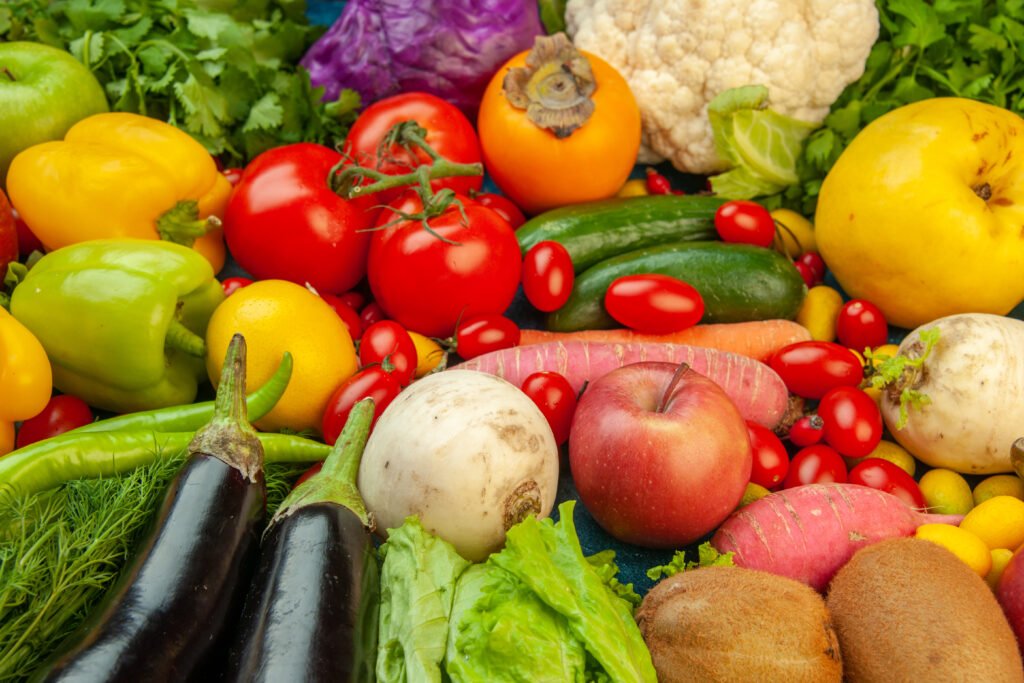
Vegetables are often seen as just a side dish, even though they play an important role in maintaining balanced daily nutrition. Eating the same types over and over can not only feel boring but may also result in less optimal nutrient intake. In fact, vegetables come in many groups, each offering different benefits.
To make it easier to plan daily meals, let’s get to know various types of vegetables based on the parts of the plant that are commonly consumed.
1. Leafy Vegetables That Are Light and Easy to Prepare
This group appears most often in everyday home cooking. The texture is generally tender and they cook quickly. Leafy vegetables are well known for being rich in fiber and vitamins that support digestion and help maintain the immune system.
Common examples include:
Spinach, water spinach, mustard greens, cassava leaves, lettuce.
2. Vegetables with a Fresh Taste from the Fruit Part
These vegetables come from the fruit of the plant and usually contain a high amount of water. They are ideal for daily meals because of their light flavor and versatility in cooking.
Some commonly used examples are:
Tomatoes, cucumbers, eggplants, chayote, bitter melon, bell peppers.
3. Root Vegetables That Are More Filling
Vegetables that come from roots or tubers tend to have a denser texture and provide natural energy. This group is often used as part of main meals because it helps keep you full for longer.
Commonly used examples include:
Carrots, potatoes, cassava, sweet potatoes, radishes.
4. Stem Vegetables with a Crunchy Texture
The stems of certain plants are also consumed as vegetables. They have a distinctive crunch and are often used to add variety to stir-fries or soups.
Examples include:
Celery, asparagus, bamboo shoots, kailan, bok choy.
5. Vegetables That Come from Flower Parts
Some vegetables are actually derived from flowers or flower buds. Besides being tasty, this group is also rich in vitamins and antioxidants.
Examples include:
Broccoli, cauliflower, turi flowers, artichokes.
6. Legumes and Seeds as Plant-Based Protein Sources
This group is known for its plant-based protein and fiber content. It’s a great option to diversify meals and create a more balanced nutritional intake.
Examples include:
Long beans, peas, soybeans, snow peas.
Tips for Preparing Vegetables to Keep Them Fresh and Nutritious
To preserve their nutritional value, choose vegetables that are still fresh and not wilted. Wash them thoroughly before cooking, and cook them just long enough without overcooking. Vary the types of vegetables you eat each day to avoid monotony and to better meet your nutritional needs.
