

 Bahasa Indonesia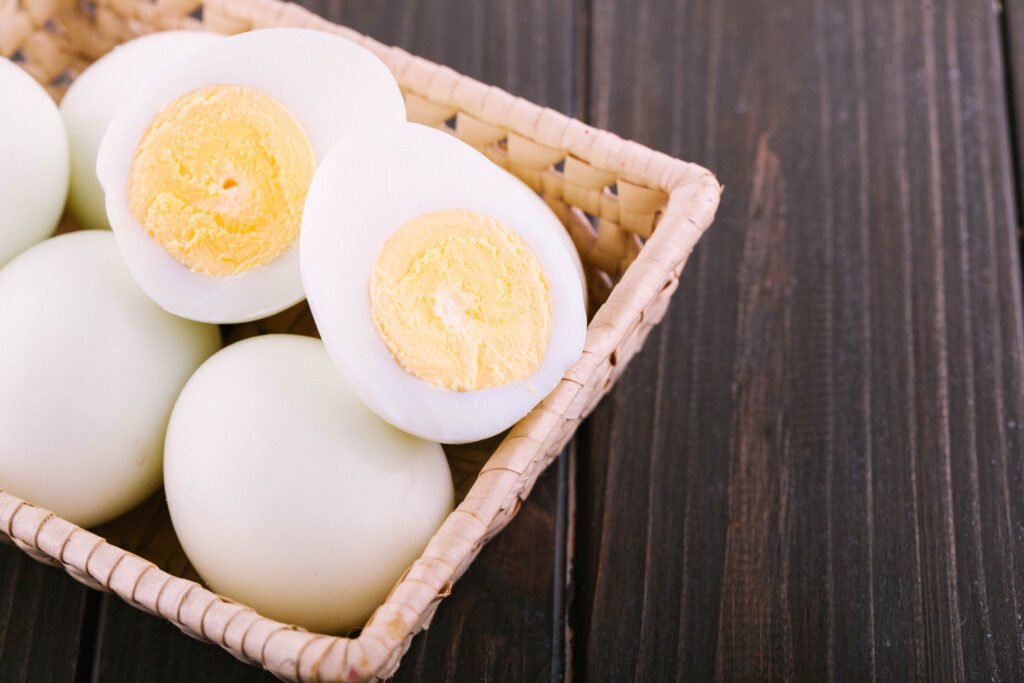
Eggs are often a practical choice for children’s daily meals. They are easy to prepare, affordable, and packed with nutrients. However, many people still wonder which part of the egg is actually better for children— the white, the yolk, or whether it should be eaten whole.
To clear up the confusion, let’s take a closer look at the roles of egg whites and egg yolks in a simple and straightforward way.
Egg Whites: A Reliable Source of Protein for Daily Activities
Egg whites are well known as a high-quality source of protein. The protein content helps support a child’s body in building and repairing tissues, including muscles and cells that support the immune system.
Because egg whites contain almost no fat, they are suitable for active children who need protein without excess calories. Egg whites are also easy to digest, making them safe for regular consumption as long as they are properly cooked.
However, despite being rich in protein, egg whites do not contain many vitamins or healthy fats that are essential for brain development.
Egg Yolks: A Rich Source of Nutrients for Brain Development
Unlike egg whites, egg yolks contain a wide range of essential nutrients. This is where choline is found—an important nutrient that plays a major role in brain development, memory, and nerve function.
In addition to choline, egg yolks also contain DHA, a type of omega-3 fatty acid that helps support the structure of brain cells. Although the amount is not as high as in fatty fish, it still provides meaningful benefits when consumed regularly.
Egg yolks also contain natural antioxidants such as lutein and zeaxanthin, which help protect body cells, including nerve cells, from damage caused by free radicals.
So, Which Is Better: Egg White or Egg Yolk?
In fact, both parts complement each other. Egg whites are excellent for protein intake, while egg yolks provide healthy fats, vitamins, and nutrients that support brain development.
Serving eggs whole allows children to receive more balanced nutrition. As long as there is no allergy and the portion is appropriate, whole eggs are safe and beneficial for supporting a child’s growth and development.
Tips for Safely Serving Eggs to Children
- Make sure eggs are fully cooked to reduce the risk of bacteria
- Serve eggs in different variations to prevent boredom
- Combine eggs with vegetables or carbohydrate sources for more balanced nutrition
- Observe the child’s reaction, especially when introducing eggs for the first time
Conclusion
Eggs are not simply about choosing between the white or the yolk. Each part has its own role in meeting a child’s nutritional needs. With proper preparation and balanced portions, eggs can be a simple food with significant benefits for a child’s daily activities and development.
