

 Bahasa Indonesia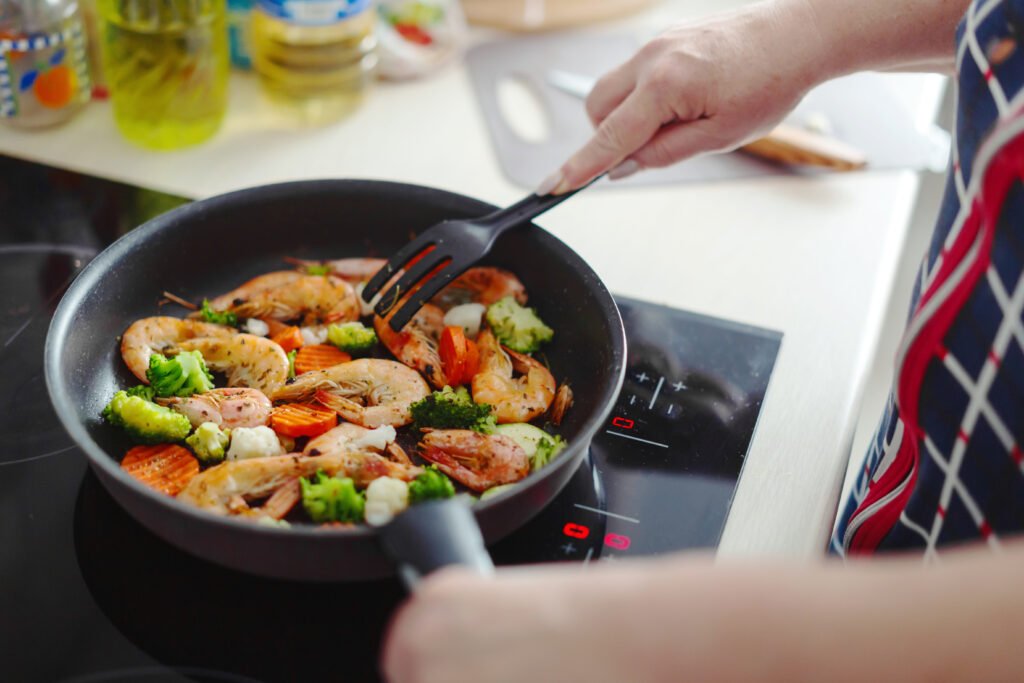
Cooking isn’t just about following recipes or using expensive ingredients. Sometimes, food turns out less satisfying because of small habits in the kitchen that are often ignored. Even though they seem simple, these little details play a big role in determining flavor, texture, and presentation.
If you want your dishes to taste more balanced, look more appealing, and feel easier to prepare, try paying attention to the habits below. They may seem minor, but the impact is surprisingly noticeable.
1. Don’t Rush to Add Ingredients to the Pan
Using a pan that isn’t hot enough is one of the most common causes of food sticking or cooking unevenly. Before you start cooking, give the pan a moment to heat up properly.
A hot pan helps seal the surface of ingredients quickly, resulting in better texture and faster cooking. An easy way to check is by sprinkling a few drops of water—if they evaporate immediately, the pan is ready to use.
2. An Overcrowded Pan Ruins the Texture
Cooking everything at once may seem efficient, but an overcrowded pan causes ingredients to release too much moisture. Instead of browning nicely, the food ends up steaming.
It’s better to cook in batches. This way, ingredients cook more evenly, develop better aroma, and look more appetizing once served.
3. Taste as You Cook
Tasting food shouldn’t only happen at the end. Flavors change as ingredients heat up, especially when using multiple seasonings or spices.
By tasting at different stages, you can adjust the seasoning before it’s too late. This habit helps create a more balanced dish without relying on guesswork.
4. Sharp Knives Make Cooking Safer and Faster
Using a dull knife slows you down and increases the risk of accidents, as it’s more likely to slip while cutting.
A sharp knife allows for cleaner, more precise cuts. Uniformly sized ingredients also cook more evenly and improve the overall appearance of the dish.
5. Don’t Throw Away Pasta Cooking Water
If you often cook pasta, don’t discard the cooking water too quickly. This starchy liquid helps sauces bind better and prevents them from becoming too thin.
Add it little by little to your sauce until you reach the desired consistency. This trick can also help other dishes that need extra moisture.
6. Let Meat Rest After Cooking
Once meat is cooked, it shouldn’t be sliced immediately. Let it rest for a few minutes so the juices can redistribute throughout the meat.
Cutting too soon causes the juices to spill out, leaving the meat dry. With a bit of patience, the result will be juicier and more flavorful.
7. Add Salt at the End When Cooking Vegetables
Adding salt too early when cooking vegetables can cause them to lose their crispness. Salt draws out moisture, making vegetables wilt faster.
To keep their texture and color fresh, add salt toward the end of cooking. This also allows the natural flavor of the vegetables to stand out more.
