

 Bahasa Indonesia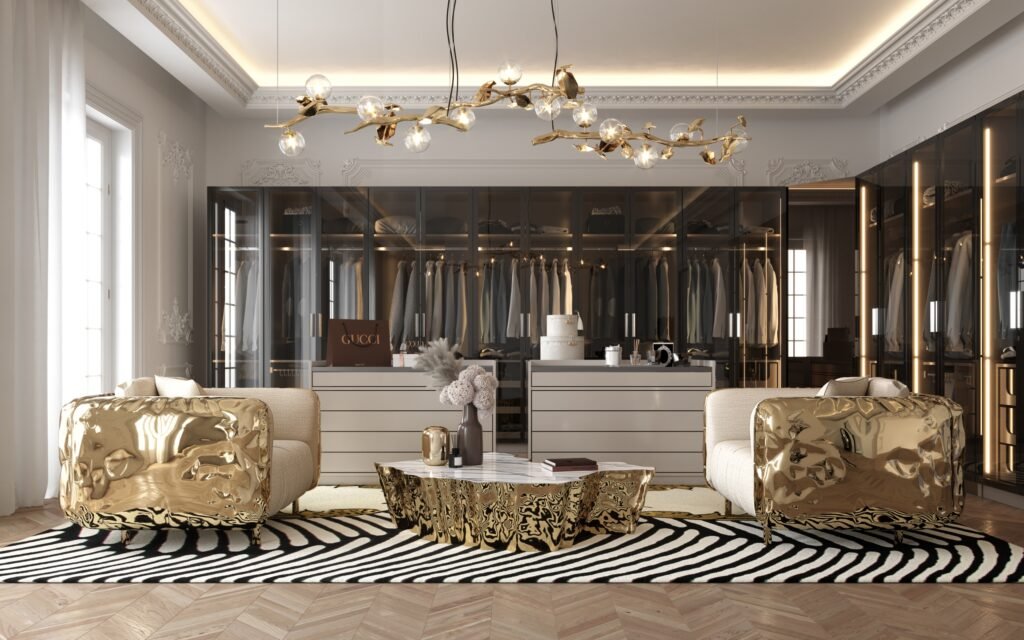
A walk-in closet is more than just a space for storing clothes; it plays an important role in enhancing comfort and the overall aesthetic of the home. Careful planning from the start helps create a walk-in closet that is functional, efficient, and aligned with the home’s interior style.
Below are five key aspects to consider from an interior design perspective.
1. Choosing the Right Location
Ideally, a walk-in closet is located close to the master bedroom and bathroom to create an efficient daily flow. In some designs, the walk-in closet even functions as a transition area between the bedroom and the ensuite bathroom.
However, this placement is not absolute. If space conditions do not allow, a walk-in closet can still be designed in another area, as long as circulation and access remain comfortable.
2. Spatial Proportion and Layout
A walk-in closet does not have to be large. What matters most is proper spatial proportion and an efficient layout. For homes with limited space, built-in wardrobe systems and multifunctional furniture offer an effective solution.
The design should consider spacing between elements, circulation width, and cabinet opening clearance to ensure the space remains comfortable without feeling cramped.
3. Storage Needs Assessment
Before finalizing the wardrobe design, it is important to understand the types and quantity of items to be stored—ranging from hanging clothes, folded garments, shoes, bags, and accessories, to special collections such as watches or jewelry.
This assessment will determine the required storage systems, including hanging areas, closed drawers, shoe racks, and display storage using materials such as glass.
4. Selection of Wardrobe Systems and Furniture
Wardrobe systems should be selected based on functionality and the character of the space. A combination of open and closed storage creates a balanced look between practicality and aesthetics.
For limited spaces, sliding doors, mirrored wardrobe panels, and modular systems help optimize space while creating the illusion of a larger area.
5. Style Consistency and Visual Arrangement
A well-designed walk-in closet is not only functionally organized but also visually cohesive. The selection of colors, materials, and lighting should align with the overall interior concept of the home.
Organizing clothing by category or color gradient can enhance a boutique-like feel. Proper lighting—both ambient and task lighting—further improves comfort while highlighting the aesthetic quality of the space.
Bringing Together Function, Comfort, and Aesthetics
A well-designed walk-in closet starts with a clear understanding of the user’s needs. When location, spatial proportions, storage systems, and visual style are planned in harmony, the space becomes more than just a place to store clothes—it turns into an area that is comfortable and enjoyable to use every day.
With the right design approach, a walk-in closet can offer a more practical, organized, and personalized dressing experience, while still maintaining a cohesive look with the rest of the home’s interior.
